How to Stop Dog Chewing: Tips From San Francisco Vets

How to Stop Dog Chewing: Tips From San Francisco Vets
Is your dog chewing on furniture, shoes, or household items? You are not alone; unwanted chewing is one of the most common concerns we hear from local dog owners at South Park Animal Hospital. Whether you have a new puppy or an adult dog, figuring out how to stop dog chewing can feel overwhelming, especially when your favorite belongings are at risk. Our veterinary team in San Francisco and surrounding communities understands both the frustration and the worry that come with this behavior. In this guide, we will explore why dogs chew, how to recognize when chewing is a problem, and veterinarian-approved strategies you can use at home. We will also explain when chewing might be a sign of a health or behavioral issue that needs professional attention. If you are looking for answers on how to stop dog chewing in San Francisco, our team is here to help you protect both your pet and your home. For more guidance on managing behavioral issues, explore our behavioral counseling services for dogs with chewing problems.
Recognizing When Dog Chewing Is a Problem
Chewing is a natural canine behavior, but it can cross the line into a destructive or even dangerous habit. Understanding the difference between normal and problematic chewing will help you decide when to intervene.
Puppies explore their world with their mouths; it is common for young dogs to chew on everything they can reach, especially during teething. For adult dogs, occasional chewing on toys or bones is normal and can help keep teeth clean. However, warning signs of problematic chewing include destruction of furniture, shoes, or electrical cords, frequent ingestion of non-food items, and signs of distress when left alone. If you notice your dog targeting household items more than their own toys, chewing so much that they damage their gums or teeth, or showing sudden changes in behavior, it may be time to look deeper.
Some dogs will chew out of boredom or anxiety, while others may have underlying medical conditions such as dental discomfort or gastrointestinal issues. You may also see symptoms like drooling, bad breath, or avoidance of eating hard food, which can signal dental pain. In severe cases, chewing can result in broken teeth or ingestion of harmful objects, leading to potential emergencies.
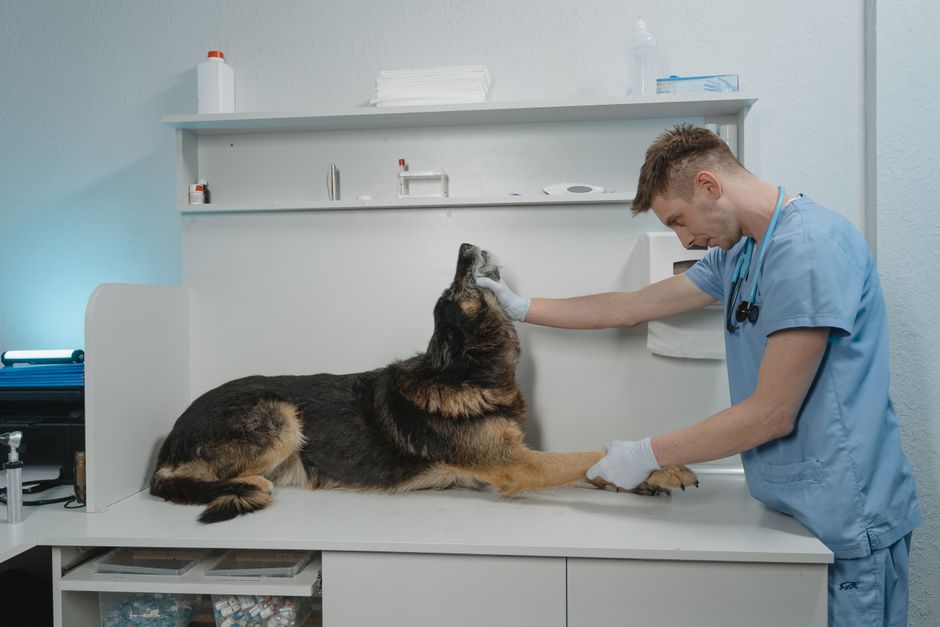
If you are unsure whether your dog's chewing is normal, a comprehensive wellness examination can help determine if there is a medical or behavioral cause that needs addressing.
Why Do Dogs Chew? Understanding the Causes
Before you can effectively address how to stop dog chewing, it helps to understand why your dog is chewing in the first place. Chewing serves several purposes throughout a dog's life, from play and exploration to stress relief and dental care.
For puppies, teething is a major driver. The discomfort of new teeth coming in can prompt them to gnaw on anything they can find, which may include your furniture legs, slippers, or even electrical cords. Chewing helps soothe sore gums and also satisfies their curiosity about the environment.
In adult dogs, ongoing chewing can stem from boredom, lack of exercise, anxiety, or behavioral issues such as separation anxiety. Dogs left alone for long periods may chew to relieve stress or to self-soothe. Some breeds are naturally more inclined to chew due to high energy levels and strong jaws.
Medical causes should not be overlooked. Dental disease, oral pain, gastrointestinal discomfort, or nutritional deficiencies can lead to compulsive chewing. Sometimes, dogs with underlying health problems will chew as a way to cope with discomfort or to seek relief.
If you notice persistent chewing, especially if it is accompanied by other symptoms like weight loss, vomiting, changes in appetite, or drooling, it is important to consult with your veterinarian. Our veterinary professionals can help you determine if a health concern is at the root of your dog's chewing habit.
How to Stop Dog Chewing: Treatment and Management Strategies
When it comes to how to stop dog chewing, a combination of veterinary insight, behavior modification, and environmental management offers the best results. Our veterinarians in San Francisco and surrounding communities recommend a stepwise approach, tailored to your dog's age, health, and individual needs.
First, rule out medical causes. A dental exam or wellness check can identify issues such as tooth pain, gum disease, or digestive problems that might be driving the behavior. If a medical concern is found, treatment might involve dental cleaning, extractions, or addressing underlying nutritional needs. For concerns about your dog's diet, our nutrition counseling services can provide guidance on balanced meals that support both dental and behavioral health.
Once your dog is cleared of medical issues, focus on providing safe, appropriate outlets for chewing. Durable chew toys, puzzle feeders, and interactive games help satisfy your dog's natural urge to chew while keeping their mind stimulated. Rotate toys regularly to maintain interest, and make sure your dog has access to safe options at all times.
Training also plays a key role. Redirect chewing from forbidden objects to approved toys by calmly moving the object away and offering a toy instead. Use positive reinforcement, such as praise or a treat, when your dog chooses the right item to chew. Avoid punishment, as it can increase anxiety and make the problem worse.
For dogs chewing due to anxiety or behavioral issues, our veterinary team offers professional behavioral counseling to help you develop a personalized management plan. This may include techniques to reduce separation anxiety, structured play sessions, and recommendations for safe confinement when you are away.
Prevention and Home Care: Stopping Chewing Before It Starts
Preventing unwanted chewing is often easier than breaking an established habit. Consistent routines, mental stimulation, and a safe environment go a long way in helping your dog make better choices.
Puppy-proofing your home is essential if you have a young dog. This means removing tempting items from reach, such as shoes, electrical cords, and children's toys. Store household cleaners and potentially toxic plants in secure locations. Provide plenty of age-appropriate chew toys, and supervise your puppy during playtime to prevent mistakes.
For adult dogs, daily exercise and mental challenges, such as training games or food puzzles, help burn off excess energy and reduce boredom. Dogs left alone for long stretches benefit from interactive toys or safe spaces like crates, which can prevent access to off-limits items.
Keep your dog's dental health in mind, as regular dental cleanings and oral care reduce discomfort that might lead to chewing. Our veterinarians can recommend safe dental chews and are happy to discuss dental care as part of your dog's next wellness examination.
If you notice your dog chewing more during certain times, such as when you leave the house or during storms, try to identify and address possible stress triggers. Calming aids, background music, or pheromone diffusers may help some pets feel more secure.
Remember, patience and consistency are key. Most dogs respond well to positive training, but progress may take time. For more tips and resources, explore our dog resources page.
When to Seek Veterinary Care for Chewing Issues
While many chewing problems can be managed at home, some situations call for professional help. You should consult with your veterinarian if your dog is destroying furniture or ingesting dangerous objects, seems to be in pain while chewing, exhibits sudden changes in chewing behavior, or shows signs of anxiety, aggression, or distress when left alone.
Medical emergencies—such as broken teeth, bleeding gums, choking, or ingestion of toxic substances—require immediate attention. If you are ever in doubt, our veterinary professionals are here to provide guidance and support.
Chronic or severe cases of destructive chewing often benefit from a veterinary evaluation and a tailored behavioral plan. Our team at South Park Animal Hospital offers both medical assessment and behavioral counseling to address the underlying causes and help restore harmony in your home.
Take the Next Step: Protect Your Home and Your Dog's Health
Unwanted chewing can be stressful for both you and your dog, but with the right approach, most pets can learn healthier habits. As your local partner in pet care, South Park Animal Hospital is committed to helping you understand how to stop dog chewing and support your dog's overall well-being.
To get started, schedule an appointment for a wellness examination or behavioral consultation with our experienced veterinarians. We will work with you to uncover the cause of your dog's chewing, recommend effective solutions, and provide ongoing support.
If you are searching for a veterinarian near me who truly understands the challenges of pet ownership in San Francisco and surrounding communities, look no further than South Park Animal Hospital. Together, we can create a happier, healthier home for your dog—and a damage-free environment for you.
For questions or to schedule your next visit, call us at (415) 523-4404 or stop by our convenient location at 598 2nd Street, San Francisco, CA 94107. We look forward to helping you and your pet enjoy a more peaceful life, free from unwanted chewing.