Cherry Eye Vet Care: Signs, Causes, and Treatment in San Francisco

Cherry Eye Vet Care: Signs, Causes, and Treatment in San Francisco
Worried that your pet’s eye looks unusual, swollen, or red? If you have noticed a soft, pinkish mass in the corner of your dog’s or cat’s eye, you may be dealing with a condition called “cherry eye.” Cherry eye is a common concern for pet owners in San Francisco and surrounding communities, and early diagnosis is key to protecting your pet’s comfort and vision. At South Park Animal Hospital, our veterinary team on 598 2nd Street, San Francisco, CA 94107 provides comprehensive cherry eye vet care, including advanced diagnostics and surgical solutions to restore your pet’s eye health. In this post, we’ll help you understand what cherry eye looks like, the causes behind it, and how our veterinarians can help your pet get back to feeling their best. If you are concerned about your pet’s eye, you can schedule a same-day urgent care appointment or a consultation with our compassionate veterinary professionals.
Recognizing Cherry Eye in Pets: Signs and Symptoms
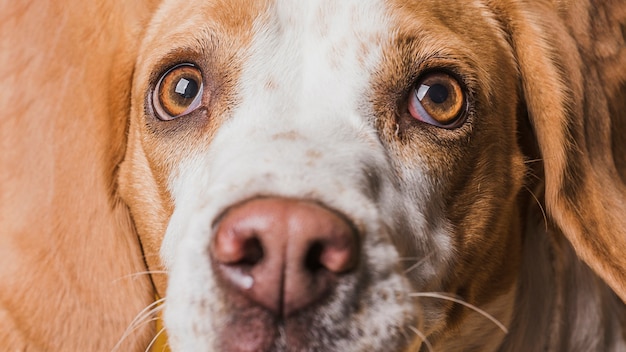
Cherry eye is often alarming to pet owners because it appears suddenly and can look quite dramatic. The condition is most commonly seen in dogs, but cats can also be affected. The hallmark sign of cherry eye is a visible red or pink mass, usually located in the inner corner of your pet’s eye near the nose. This mass is actually the prolapsed tear gland of the third eyelid, which should normally be hidden. Key symptoms include a round, fleshy swelling in the corner of the eye, which may appear intermittently or be constantly visible. You might also observe redness, increased tearing or discharge, squinting, or signs of discomfort such as pawing at the face. Other signs to watch for are a watery or mucous-like discharge, swelling of the eye tissues, or a sudden change in your pet’s appearance around the eye.
Some pets may seem completely unfazed, while others may show signs of irritation or vision changes. In certain cases, especially if the gland becomes inflamed or infected, your pet might rub at the eye or resist being touched near the face. It is important to note that cherry eye is not typically painful at first, but left untreated, it can lead to chronic irritation, dry eye, or even damage to the eye’s surface. If you notice any of these symptoms, seeking prompt evaluation from a cherry eye vet in San Francisco is essential for your pet’s comfort and long-term eye health.
What Causes Cherry Eye in Dogs and Cats?
Understanding the underlying causes of cherry eye can help pet owners feel more confident about their next steps. Cherry eye occurs when the tear gland of the third eyelid, which plays a vital role in lubricating the eye, slips out of its normal position. This gland is anchored by delicate connective tissue; in some pets, these tissues are weaker due to genetics, age, or breed predisposition.
Cherry eye is most commonly seen in younger dogs, especially breeds with prominent eyes and short muzzles such as Bulldogs, Cocker Spaniels, and Beagles. However, any breed or mixed-breed pet can develop this condition. In cats, cherry eye is less common but can occur, particularly in Burmese and Persian breeds. Factors that contribute to cherry eye include hereditary weakness of the supporting tissues, anatomical predispositions, and sometimes trauma or inflammation in the area.
Environmental elements such as allergies, local irritants, or even rough play can occasionally precipitate cherry eye, but the vast majority of cases are rooted in the pet’s anatomy. While cherry eye itself is not contagious or caused by infection, the exposed gland can become inflamed or infected if not addressed quickly. Understanding that cherry eye is not something you caused and is a common condition can help reduce worry and encourage proactive veterinary care.
How Cherry Eye Is Treated: Veterinary Solutions at South Park Animal Hospital
Once cherry eye is diagnosed, your veterinarian will discuss the best treatment options for your pet. At South Park Animal Hospital, our approach to cherry eye vet care is tailored to your pet’s individual needs and overall health. The primary goal of treatment is to reposition and secure the prolapsed gland, preserving its crucial function in tear production while restoring your pet’s normal appearance.
While mild cases may sometimes respond to anti-inflammatory medications or gentle massage, most pets with cherry eye will need a surgical procedure for effective, long-term correction. The surgical method involves carefully repositioning the gland beneath the third eyelid and anchoring it in place; this preserves tear production and reduces the risk of chronic dry eye. Our veterinary team uses advanced surgical techniques and carefully monitors your pet throughout the procedure as well as during recovery. In rare cases, if the gland has been severely damaged, removal may be recommended, but this is avoided whenever possible due to the risk of dry eye.
If you are looking for more information about our approach, visit our page on cherry eye surgery to learn what to expect before, during, and after the procedure. For pets requiring more extensive care, such as when the eye itself is at risk, our hospital also provides enucleation surgery when medically necessary.
After surgery, you can expect your pet to go home with an Elizabethan collar to prevent rubbing, along with medications to control inflammation and infection. Most pets recover quickly and show remarkable improvement in comfort and appearance. Our veterinarians will schedule follow-up visits to ensure healing is progressing as expected.
Preventing Cherry Eye and Caring for Your Pet’s Eyes at Home
While not all cases of cherry eye can be prevented due to the genetic and anatomical factors involved, there are steps you can take to support your pet’s eye health. Regular wellness visits with your veterinary team allow for early detection of eye issues, including subtle changes you may not notice at home. Keeping your pet’s face clean and free of irritants, gently wiping away discharge, and monitoring for changes in appearance or behavior can help you spot problems early.
For breeds known to be at higher risk, avoid rough play that could injure the face and work with your veterinarian to develop a routine for monitoring eye health as your pet grows. Nutrition also plays a role in tissue health, so providing a balanced diet recommended by your veterinary professionals is important. If your pet has a history of allergies, managing environmental triggers can reduce inflammation that might make cherry eye more likely.
Most importantly, do not attempt to push the gland back into place yourself, as this can cause pain or further injury. If you notice redness, swelling, or a mass in your pet’s eye, prompt veterinary attention is the safest course of action.
When to Seek Veterinary Care for Cherry Eye
Early intervention is the key to successful cherry eye treatment and prevention of complications. You should schedule a veterinary appointment as soon as you notice any swelling, redness, or unusual tissue in the corner of your pet’s eye. Waiting too long can lead to chronic irritation, infection, or reduced tear production, which can threaten your pet’s long-term vision.
At South Park Animal Hospital, we provide same-day urgent care appointments for cherry eye and other eye conditions, so you do not have to wait and worry. If your pet’s eye becomes suddenly swollen, if there is yellow or green discharge, if your pet is holding the eye shut, or if you notice signs of pain, call our veterinary team immediately. These symptoms may indicate infection or more serious complications that require urgent evaluation.
For routine screening, our veterinarians recommend including an eye check as part of your pet’s regular wellness examination. This allows us to catch early changes before they become bigger problems and to support your pet’s overall health.
Your Local Partner for Cherry Eye Vet Care in San Francisco
Cherry eye can be distressing to see, but with prompt diagnosis and expert care, most pets make a full recovery and return to their playful selves. At South Park Animal Hospital, our veterinary team is dedicated to helping pets in San Francisco and the surrounding communities enjoy healthy, comfortable lives. If you are searching for a trusted cherry eye vet or a “vet near me” who understands your concerns and offers advanced, compassionate care, we invite you to reach out to us.
Whether you need urgent attention for a new eye problem or want to schedule a consultation to discuss surgical options, our veterinarians are here every step of the way. You can easily schedule a same-day urgent care appointment, book a wellness examination, or become a new client through our online new patient form.
For more information or to schedule an appointment, call us at (415) 523-4404 or visit us at 598 2nd Street, San Francisco, CA 94107. Our veterinary professionals are always ready to answer your questions and provide the support your pet deserves. When it comes to cherry eye vet care, you can trust South Park Animal Hospital to be your partner in keeping your pet’s eyes bright and healthy.
This article is for informational purposes only and does not replace professional veterinary evaluation. If you have immediate concerns about your pet’s health, please contact our veterinary team for guidance.