March Parasite Prevention Tips for San Francisco Pet Owners


March Parasite Prevention Tips for San Francisco Pet Owners
As spring begins to brighten San Francisco, many pet owners start thinking about longer walks, park outings, and more time outdoors with their furry friends. Yet with the milder March weather also comes a rise in parasite activity, making this a crucial time for preventive care. Fleas, ticks, and intestinal worms are not just seasonal annoyances; these parasites can cause significant discomfort and health risks for both pets and people. At South Park Animal Hospital, located at 598 2nd Street, San Francisco, CA 94107, our team of veterinarians is dedicated to helping you keep your pets healthy and parasite-free year-round. In this post, we will explore why March is the ideal time to focus on parasite prevention, how San Francisco’s unique climate affects parasite risk, and what steps you can take now to safeguard your pet’s health. If you are looking for ongoing support or same-day urgent care, our comprehensive services and preventive care programs are here to serve pets across San Francisco and surrounding communities.
Recognizing the Signs of Parasite Problems in Pets
Many pet owners wonder how to spot early signs of parasites, especially since symptoms can be subtle at first. Key indications of fleas include frequent scratching, hair loss in specific areas, and the appearance of small black specks (flea dirt) in your pet’s fur. Ticks are often discovered as small bumps on your pet’s skin, especially after time spent in grassy or wooded areas, and may cause local irritation or even lameness if attached near joints. Intestinal parasites such as roundworms, hookworms, or tapeworms can cause symptoms like vomiting, diarrhea, weight loss despite a normal appetite, or a bloated appearance in puppies and kittens. Some pets may also exhibit scooting, which is a sign of anal irritation that can be linked to parasite infections.
It is important to note that not all pets will show obvious symptoms. Cats, in particular, might only display subtle behavioral changes or a decrease in grooming. Early detection is key; regular wellness visits with your veterinary team can help catch these issues before they become more serious. If you notice any sudden changes in your pet’s coat, appetite, or energy, it is always a good idea to consult your veterinarian.
Why March Matters: Understanding Parasite Risks in San Francisco’s Climate
San Francisco’s relatively mild winters and damp, foggy conditions create an environment where parasites can thrive nearly year-round, but activity typically increases as temperatures rise in March. Fleas, for example, require warmth and humidity to complete their life cycles; with spring’s arrival, their numbers begin to surge. Tick populations also become more active as the days lengthen and outdoor temperatures climb above 50°F. Unlike regions with freezing winters that naturally suppress parasite populations, the Bay Area’s climate allows for persistent risk, especially in urban parks, local trails, and even well-maintained backyards.
Intestinal parasites are not just a rural or suburban problem; pets in cities like San Francisco are exposed through contact with contaminated soil, feces from other animals, or even by ingesting infected fleas during grooming. Additionally, communal dog parks and popular walking routes mean pets interact more closely, increasing the likelihood of exposure. For these reasons, veterinarians in San Francisco emphasize year-round vigilance, with extra attention during the spring months.
Professional Parasite Treatment and Prevention: What to Expect at South Park Animal Hospital
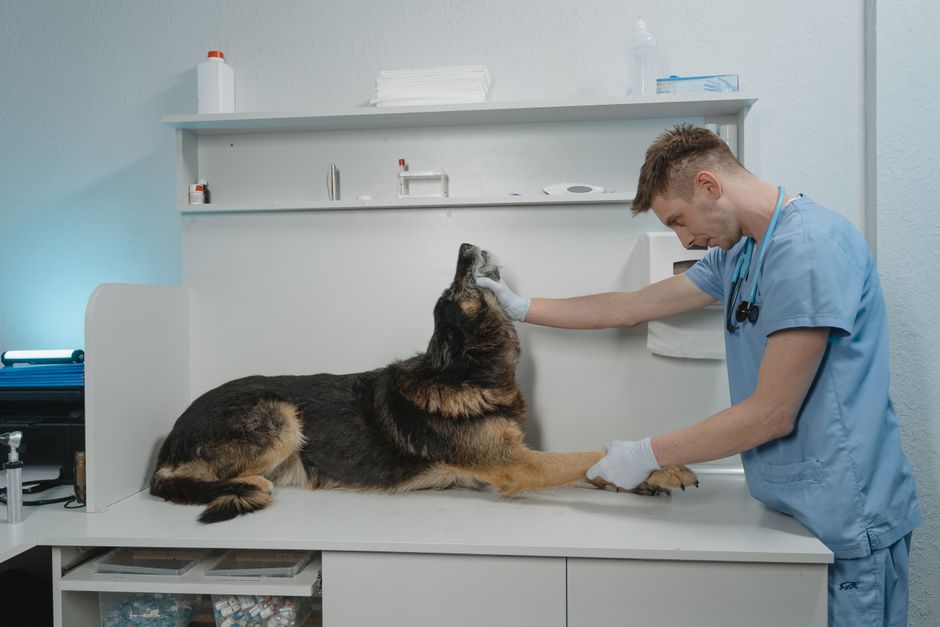
When you bring your pet to South Park Animal Hospital for parasite concerns, our team starts with a thorough physical examination and a discussion of your pet’s lifestyle, history, and current symptoms. If fleas or ticks are suspected, we carefully inspect your pet’s coat and skin, sometimes using a fine-toothed comb or magnification to identify tiny parasites or eggs. For intestinal worms, we recommend fecal testing to detect microscopic eggs or larvae; this is especially important for younger pets or those with gastrointestinal symptoms.
Our approach to parasite prevention is based on your pet’s specific needs, age, species, and risk factors. Prevention options include monthly topical treatments, oral medications, and in some cases, collars designed to repel fleas and ticks. For heartworm prevention, oral or injectable medications are critical, particularly for dogs who spend time outside, and regular heartworm testing is part of our standard protocols. If your pet is diagnosed with an active parasite infestation, treatment plans may involve medicated baths, prescription dewormers, or other targeted therapies.
To ensure your pet is protected all year, our veterinary professionals will walk you through the best products and protocols for your household. We also provide guidance on how to administer preventive medications and what to watch for in the months ahead. To learn more about our parasite prevention services, you can visit our website or discuss options during your next wellness exam.
Practical Steps for At-Home Parasite Prevention
While professional care is essential, there are several actions you can take at home to minimize your pet’s parasite risk. Consistently administering veterinarian-recommended preventives is the foundation of protection; skipping even one month can leave your pet vulnerable. Regularly washing bedding, vacuuming carpets, and cleaning areas where your pet spends time helps reduce flea eggs and larvae in the environment. Checking your pet’s coat for ticks after walks, especially if you have visited wooded or grassy areas, is a simple but effective way to catch problems early.
For cats, especially those who go outdoors, keeping litter boxes clean and discouraging hunting of rodents can reduce exposure to parasites. Picking up pet waste promptly, both in your yard and while out in the community, helps limit the spread of intestinal worms. If you notice changes in your pet’s eating habits, energy, or bathroom routines, do not wait for symptoms to worsen; early intervention makes treatment much easier.
March is also the perfect time to review your pet’s parasite prevention plan with your veterinarian. If you are unsure whether your current regimen is sufficient, scheduling a wellness and preventive care examination allows your veterinary team to assess your pet’s health and update recommendations based on the latest products and research.
When to Seek Veterinary Care for Parasite Concerns
Some situations require prompt attention from your veterinary team. If your pet is experiencing persistent scratching, hair loss, visible parasites, vomiting, diarrhea, or signs of discomfort, it is important to schedule an appointment as soon as possible. Severe infestations can lead to anemia, allergic reactions, or secondary infections, particularly in young, elderly, or immunocompromised pets. Pets who develop a swollen abdomen, have difficulty breathing, or seem lethargic may be suffering from a more serious complication of parasite infection and should be seen immediately.
Even if your pet appears healthy, routine screenings for intestinal parasites and heartworm disease are vital. Regular testing helps catch problems before they cause noticeable symptoms, ensuring your pet remains healthy and happy. If you are ever unsure whether your pet needs to be seen, our compassionate veterinary professionals are always available to answer your questions and provide guidance tailored to your individual circumstances.
Why Choose South Park Animal Hospital for Parasite Prevention in San Francisco?
At South Park Animal Hospital, we believe that prevention is the best medicine. Our team of veterinarians combines years of experience with a genuine passion for animal health, offering a full range of services from routine exams to urgent care, dental cleanings, and advanced diagnostics. Located conveniently at 598 2nd Street, San Francisco, CA 94107, we serve pets and their families across San Francisco and neighboring communities, making it simple to access expert care when you need it most.
If you are searching for a "vet near me" who understands the unique challenges of San Francisco pet ownership, our veterinary team is here to help. We take the time to get to know you and your pet, creating customized prevention plans that fit your lifestyle and address local risks. From puppies and kittens to senior pets, our approach keeps your companions happy, healthy, and protected throughout every season.
To discuss your pet’s parasite prevention plan or to schedule an appointment with our veterinarians, call us today at (415) 523-4404, book online at southparkanimalhospitalsf.com, or visit us in person at our South Park location. For additional details on our parasite prevention services or to arrange a wellness examination, our veterinary professionals are always ready to assist. Let us help you make March a month of health and happiness for your pet.
This blog is for informational purposes only and should not be considered a substitute for professional veterinary advice. Always consult your veterinarian for guidance specific to your pet’s health and needs. For more information on parasite prevention, visit the Centers for Disease Control and Prevention , Pets and Parasites or the Companion Animal Parasite Council.