How to Address Destructive Behavior in San Francisco Dogs


How to Address Destructive Behavior in San Francisco Dogs
If you live in San Francisco and your dog has started chewing, digging, or getting into things they shouldn’t, you are not alone. Many local pet owners face the challenge of destructive behavior in their dogs, especially with the unique urban lifestyle and changing routines common in the city. At South Park Animal Hospital, located at 598 2nd Street, San Francisco, CA 94107, our veterinary team is dedicated to helping you understand why these behaviors happen, how to address them, and when it’s time to consider a professional checkup. In this guide, we’ll explore the most common reasons behind destructive actions in dogs, provide practical steps for prevention and correction, and explain how a veterinary evaluation can set you and your dog up for success. Whether you are dealing with a new puppy, a recently adopted dog, or a longtime companion whose habits have changed, our approach is built on compassion, expertise, and a deep understanding of the needs of San Francisco’s pets.
Recognizing Destructive Behavior in Dogs
Destructive behavior in dogs can take many forms, often leaving pet owners frustrated or concerned. Common signs include frequent chewing on furniture, shoes, or household items; persistent digging in the yard or garden; scratching at doors or walls; tearing up bedding; or even raiding the trash. Some dogs may also display more subtle signs, such as shredding toys quickly or gnawing on inappropriate objects when left alone. If you notice your dog returning to the same problem behaviors, especially when bored, anxious, or after a change in routine, it’s important to address the issue early. In urban environments like San Francisco, where many dogs spend time alone in apartments or have limited outdoor access, these behaviors can escalate quickly. Recognizing the patterns and triggers is the first step toward restoring harmony in your home.
Why Do Dogs Exhibit Destructive Behaviors?
Understanding the root cause of your dog’s actions is essential in finding the right solution. Destructive behavior in dogs is rarely a sign of spite or bad intentions; instead, it often signals an unmet need or underlying issue. The most common causes include boredom due to lack of mental or physical stimulation, separation anxiety triggered by being left alone, and stress from changes in environment or household routine. Young puppies may chew as part of teething, while adult dogs sometimes act out when they are not getting enough exercise or attention.
San Francisco’s urban setting can add layers of complexity, as many dogs have less space to roam and may miss out on socialization or exercise opportunities. Loud noises, frequent visitors, or unfamiliar sights and sounds can also contribute to stress-related behaviors. Additionally, some medical conditions like dental pain, digestive discomfort, or neurological issues can cause dogs to chew, dig, or destroy items unexpectedly. If your dog’s destructive habits appear suddenly or worsen without explanation, it’s wise to consult your veterinarian to rule out underlying health concerns.
Managing and Correcting Destructive Behavior
Once you’ve identified the behaviors and possible causes, constructive management becomes the next step. For most San Francisco pet owners, a combination of environmental enrichment, training, and consistent routines can make a significant difference. Providing plenty of appropriate chew toys, puzzle feeders, and safe spaces can help redirect your dog’s energy in positive directions. Daily walks, playtime, and opportunities for socialization are essential, especially for active breeds or younger dogs. When possible, involving your dog in activities such as obedience classes or dog sports can also help burn off excess energy and provide mental stimulation.
If separation anxiety is a concern, gradual desensitization techniques—such as practicing brief departures and rewarding calm behavior—can help your dog adjust to being alone. Leaving background noise on, such as a radio or television, may soothe some dogs. For persistent or severe cases, professional behavioral counseling is often recommended. At South Park Animal Hospital, our behavioral counseling services for pets in San Francisco are designed to help you understand your dog’s unique needs and develop a tailored strategy to address unwanted behaviors.
Prevention and Home Care Tips for San Francisco Pet Owners
Preventing destructive behavior starts with meeting your dog’s mental and physical needs. Ensure your dog receives daily exercise appropriate for their age, breed, and health status; for some, this means several walks a day, while others may benefit from running, hiking, or agility activities. Rotating toys and introducing food puzzles can keep your dog’s mind engaged and prevent boredom. Creating a predictable routine, including regular feeding times and bathroom breaks, helps most dogs feel secure and reduces stress-related behaviors.
If your dog tends to chew or dig when left alone, consider confining them to a dog-proofed room or crate when you are out. Make sure hazardous or valuable items are out of reach, and provide safe alternatives for chewing or digging. For apartment dwellers in San Francisco, interactive toys or window perches can offer extra opportunities for entertainment while you are away. Remember, positive reinforcement is key—reward your dog for calm, appropriate behavior and redirect them gently when they start to act out.
When to Seek Veterinary Care for Destructive Behavior
Some destructive behaviors can be managed at home, but there are times when a professional evaluation is needed. If your dog’s actions escalate quickly, involve self-injury, or are accompanied by sudden changes in appetite, sleep, or social interaction, it’s important to reach out to your veterinarian. Medical issues—such as dental disease, digestive upset, or anxiety disorders—can sometimes present as behavioral problems. Additionally, if you have tried home strategies and your dog’s destructive habits persist, a veterinary assessment can help uncover hidden causes and provide access to advanced behavioral support.
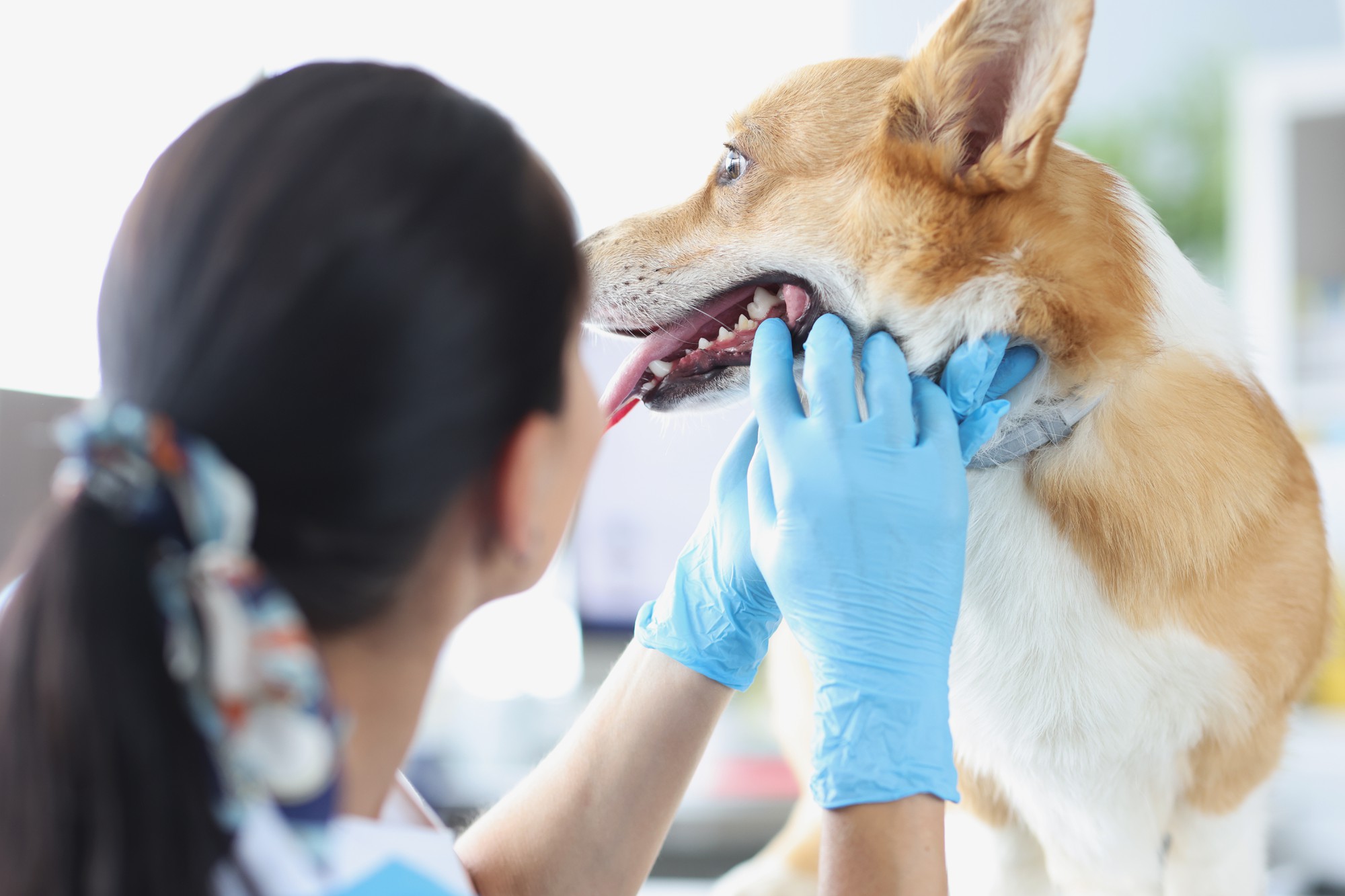
At South Park Animal Hospital, our team of veterinarians will start with a comprehensive pet exam, looking for any underlying health problems that could be affecting your dog’s behavior. We can then recommend a customized plan, which may include behavioral counseling services for pets in San Francisco, medication when appropriate, or referral to a specialist if needed. If your dog’s behavior is causing immediate risk to themselves or others, or if you need urgent advice, our same-day urgent care appointments are available to provide prompt support.
Building a Happier, Healthier Bond with Your Dog
Addressing destructive behavior is not just about stopping unwanted actions; it’s about understanding your dog’s needs and strengthening the bond you share. By combining practical management at home with professional veterinary guidance when needed, you can help your dog thrive in the unique environment of San Francisco. Remember, patience and consistency are crucial, and the journey toward better behavior is often a shared learning experience for both you and your dog.
If you are searching for a "vet near me" who understands the challenges of city living and the needs of companion animals, our veterinary team at South Park Animal Hospital is here to help. Schedule an appointment for a wellness examination or behavioral counseling services for pets in San Francisco to get personalized support tailored to your dog’s situation. For added resources, you can also visit our dog owner educational resources. We proudly serve San Francisco and surrounding communities from our convenient location at 598 2nd Street, San Francisco, CA 94107. To schedule your visit or request same-day care, call us at (415) 523-4404. Together, we can help your dog find healthier ways to express themselves and enjoy life as a happy member of your family.
This article is intended for informational purposes only and should not replace professional veterinary advice. Always consult your veterinarian for concerns specific to your pet’s health or behavior.