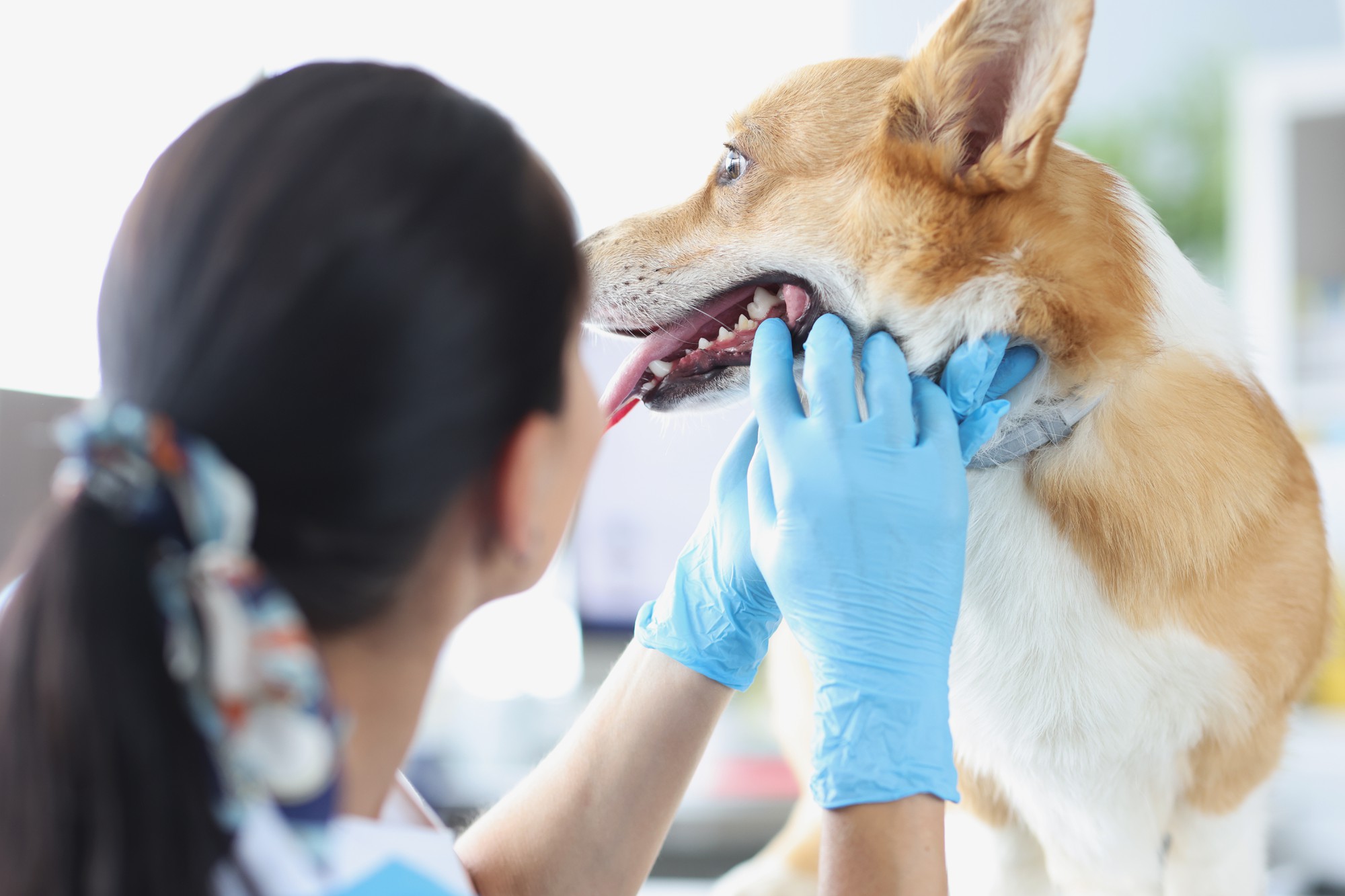
Cherry Eye Surgery for Pets: What San Francisco Owners Need to Know

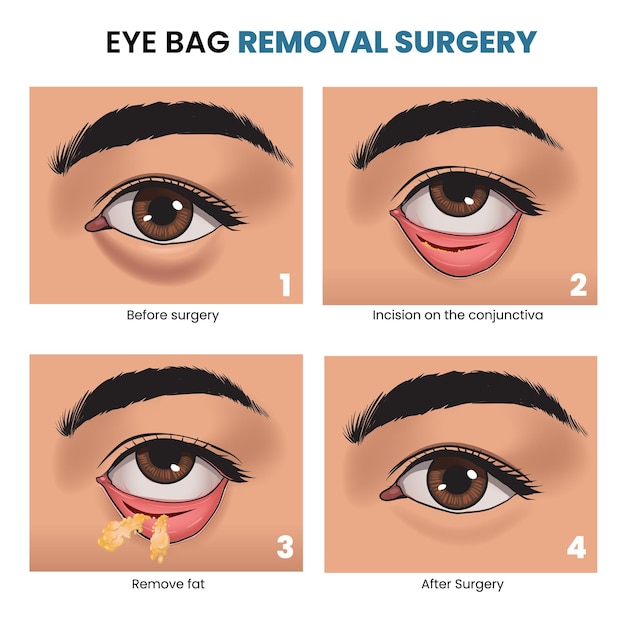
Cherry Eye Surgery for Pets: What San Francisco Owners Need to Know
If you notice a red, swollen mass near the corner of your dog or cat’s eye, you’re likely feeling worried and searching for answers fast. This condition, commonly known as cherry eye, can be alarming to see but is a treatable issue with the right care. At South Park Animal Hospital, located in the heart of San Francisco, our experienced veterinary team regularly helps pets and their owners manage cherry eye, offering advanced diagnostics and surgical solutions, including cherry eye surgery. In this guide, we’ll help you understand what cherry eye is, how to recognize it in your pet, when surgery is needed, what recovery looks like, and why our clinic is a trusted choice for pet eye care in San Francisco and surrounding communities. Whether you’re ready to book a cherry eye surgery consultation or are simply seeking more information, you’ll find the answers and support you need right here.
Recognizing Cherry Eye in Dogs and Cats
Cherry eye is most easily identified by a pink or red, fleshy mass that suddenly appears at the inner corner of your pet’s eye. This protrusion is actually the prolapsed third eyelid gland, a tear-producing structure that, when displaced, becomes visible and inflamed. Key symptoms include a visible red bulge near the inner corner of the eye, excessive tearing or discharge, pawing at the face, and occasional squinting or blinking more than usual. Some pets may also experience mild irritation or itchiness, occasionally leading to rubbing their face on furniture or the floor. While cherry eye is most frequently seen in young dogs—especially certain breeds like Bulldogs, Beagles, and Cocker Spaniels—it can occasionally occur in cats as well. It’s important to note that the appearance of cherry eye is not typically painful at first, but if left untreated, the exposed gland can become irritated, inflamed, or infected, leading to more serious eye problems.
What Causes Cherry Eye in Pets?
Understanding why cherry eye happens starts with a look at your pet’s unique eye anatomy. Dogs and cats have a third eyelid, also called the nictitating membrane, which helps protect the eye and produce tears. The gland within this membrane is held in place by delicate connective tissue. In some pets, especially those genetically predisposed, this tissue is weaker, making the gland more likely to pop out of its normal position. Contributing factors include breed genetics, age, and even certain types of trauma or excessive rubbing of the eye. While it’s most common in younger animals under two years old, cherry eye can occasionally appear in older pets as well. Environmental irritants, allergies, or infections may sometimes play a role, but the primary cause is almost always structural weakness. Once the gland is exposed, it is vulnerable to further inflammation or infection, which is why prompt veterinary care is so important.
Cherry Eye Surgery: How Treatment Works and What Owners Can Expect
When Is Cherry Eye Surgery Needed?
While some mild cases of cherry eye may temporarily improve with gentle massage or topical medications, surgery is usually considered the gold standard for definitive treatment. The risk of long-term eye irritation, chronic dry eye, or permanent damage increases the longer the gland remains out of place. Our veterinarians will carefully evaluate your pet’s eye during a thorough examination, but in most cases, surgical intervention is recommended to both restore the gland’s function and prevent recurrence.
What Happens During Cherry Eye Surgery?
Cherry eye surgery involves repositioning the prolapsed gland and securely anchoring it back to its normal location. The goal is to preserve the gland’s essential tear-producing ability, as removing it entirely can lead to chronic dry eye and ongoing discomfort. At South Park Animal Hospital, we use advanced surgical techniques that minimize trauma and support optimal healing. The procedure is typically performed under general anesthesia. The affected eye is cleaned and prepped, and the gland is gently repositioned and sutured in place. In rare cases where the gland is severely damaged or has previously been removed, additional treatment options, such as enucleation surgery, may be discussed, but gland-sparing techniques are strongly preferred whenever possible.
Recovery and Aftercare
After cherry eye surgery, your pet may experience mild swelling or redness around the eye, which usually resolves within a few days. Most pets are sent home with an Elizabethan collar (cone) to prevent rubbing, as well as antibiotic and anti-inflammatory eye medications to support healing. Owners should monitor for signs of increased redness, discharge, or discomfort and keep follow-up appointments so our veterinary team can ensure your pet is healing well. Recovery is typically smooth, with most pets returning to normal activities within a week or two. Long-term outcomes are excellent when the surgery is performed promptly and aftercare instructions are followed closely.
Home Care and Prevention Tips for Cherry Eye
While it’s not always possible to prevent cherry eye—especially in breeds with a genetic predisposition—there are steps you can take to support your pet’s eye health. Regularly check your pet’s eyes for any abnormal redness, swelling, or discharge, and schedule prompt veterinary evaluations if anything unusual appears. Keeping your pet’s face and eyes clean, managing environmental irritants, and addressing allergies can help reduce the risk of secondary infections or complications. If your pet has already experienced cherry eye in one eye, be aware that the other eye may also be at risk. Early intervention and regular check-ups are the best defenses against more serious eye problems.
When Should You Seek Veterinary Care for Cherry Eye?
If you notice a red mass in your pet’s eye or any sudden changes in their appearance or comfort, it’s important to seek veterinary attention right away. Cherry eye is unlikely to resolve on its own and can worsen if left untreated. Delaying care can increase the risk of chronic dry eye, infection, or even vision loss. Our team at South Park Animal Hospital encourages owners to schedule an appointment as soon as possible if cherry eye is suspected. We offer same-day urgent care for eye issues and can provide a thorough evaluation, discuss treatment options, and answer your questions. If you are unsure whether your pet’s symptoms warrant urgent attention, it’s always better to contact us for guidance.
To learn more about surgical treatment options, visit our cherry eye surgery information page. If you are dealing with a sudden eye injury or severe discomfort in your pet, our same day urgent care appointment service is available to help.
Why San Francisco Pet Owners Trust South Park Animal Hospital for Cherry Eye Surgery
Choosing the right veterinary team for your pet’s eye surgery is an important decision. At South Park Animal Hospital, our veterinarians combine years of experience with a compassionate, thorough approach to every case. We use modern surgical techniques, advanced diagnostics, and personalized care plans to ensure the best possible outcomes for your pet. Our centrally located hospital in San Francisco is easily accessible for pet owners throughout the city and surrounding neighborhoods. Whether you are searching for expert cherry eye surgery or ongoing support for your pet’s eye health, you can trust our team to provide clear communication, practical advice, and the highest standard of care.
Take the Next Step: Book a Cherry Eye Surgery Consultation
If your dog or cat is showing signs of cherry eye, don’t wait to get the help they need. Early treatment gives your pet the best chance for a comfortable recovery and lifelong eye health. Schedule an appointment with our veterinary team by calling (415) 523-4404 or visit us at 598 2nd Street, San Francisco, CA 94107. For more information on cherry eye surgery, explore our detailed service page. If you need same-day support for an urgent eye concern, our team is ready to help with same day urgent care appointments.
When searching for a veterinarian near me, choose a practice that puts your pet’s comfort, safety, and long-term health first. The caring professionals at South Park Animal Hospital are here to support you and your pet every step of the way.