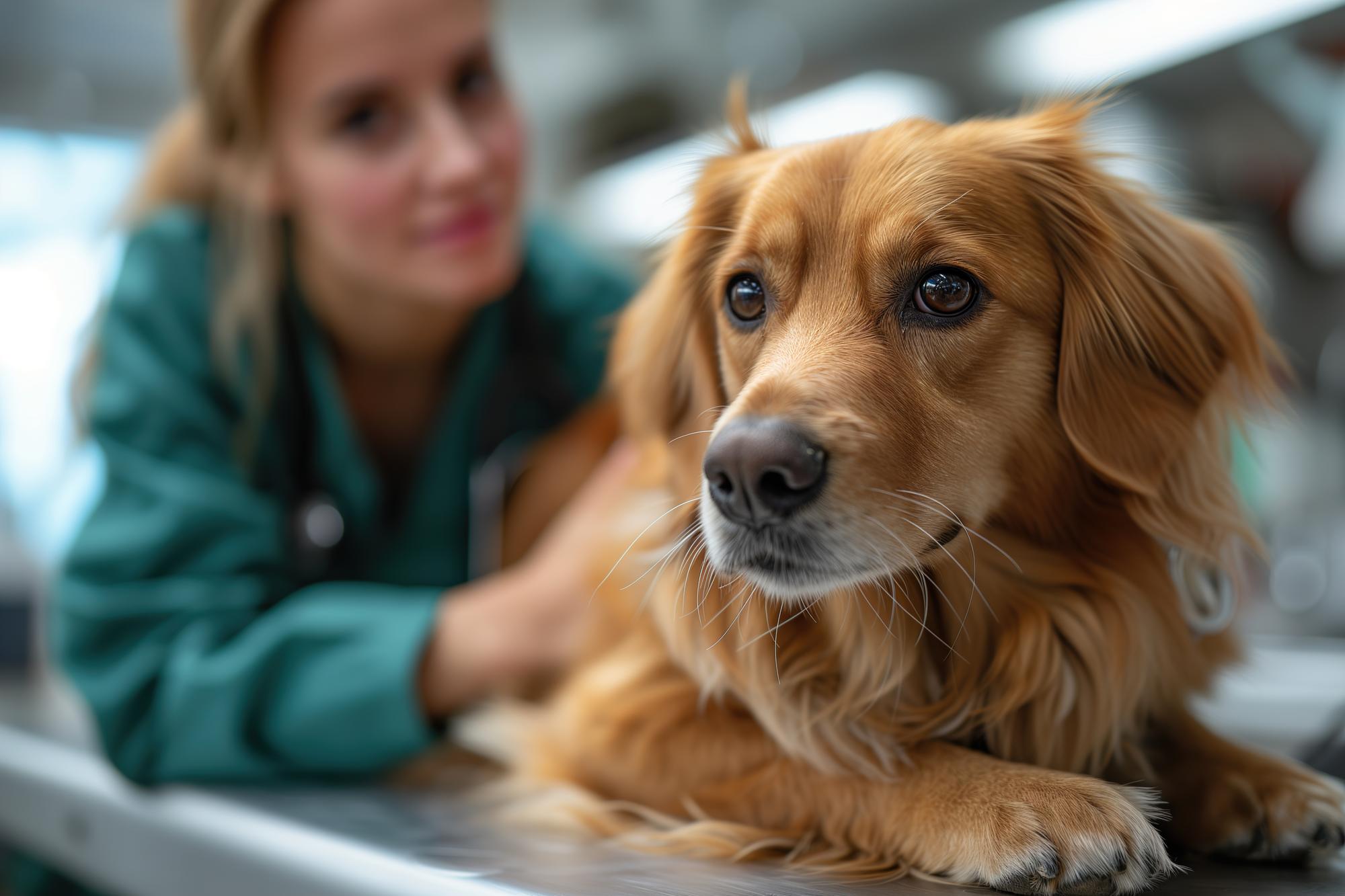
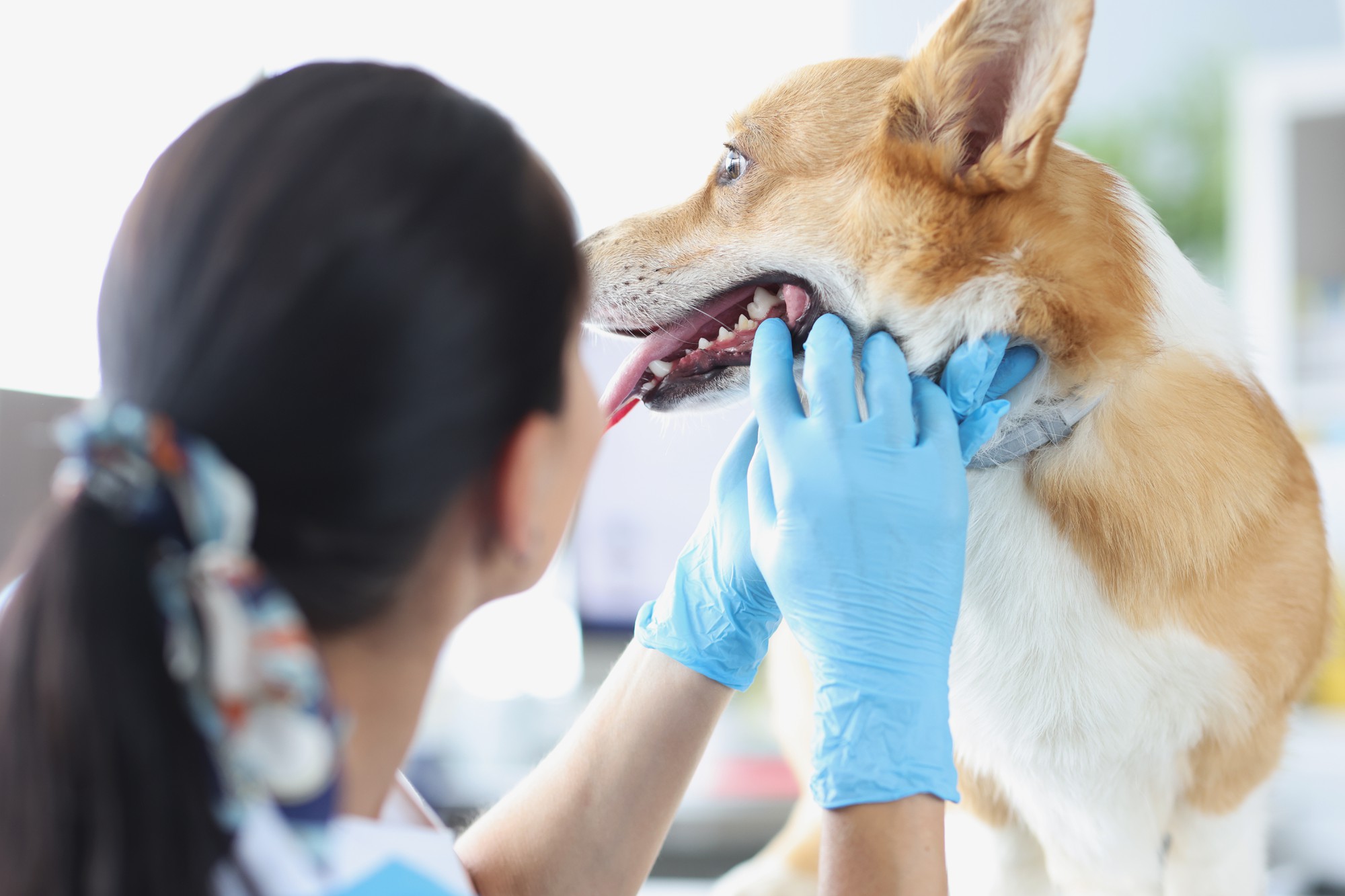
February Pet Dental Health Month: Tips From San Francisco Vets

February Pet Dental Health Month: Tips From San Francisco Vets
Keeping your pet’s teeth clean isn’t just about fresh breath; it’s an important part of their overall health and comfort. During National Pet Dental Health Month this February, our team at South Park Animal Hospital in San Francisco is here to help pet owners across the city and surrounding communities focus on the importance of dental care for dogs and cats. Dental disease is more common than many pet owners realize, and it can lead to discomfort, infection, and even affect other organs if left untreated. Preventing these issues starts with education, regular home care, and the support of your local veterinary team.
In this blog, we’ll walk you through the signs of dental problems in pets, why dental disease happens, how professional cleanings and treatments work, and what you can do at home to keep your pet’s smile healthy. You’ll also learn when it’s time to schedule a dental appointment and how our compassionate veterinarians at South Park Animal Hospital support your pet’s dental health year-round. If you’re ready to learn how to support your pet’s dental health or have questions about professional dental cleanings for pets, you’re in the right place.
Recognizing Signs of Dental Disease in Pets
Many pets develop dental disease by age three, but the warning signs can be subtle at first. Knowing what to look for can help you act early and prevent pain or complications. Symptoms of dental trouble in pets include persistent bad breath, red or swollen gums, visible tartar buildup, and yellow or brown discoloration on the teeth. You might also notice your pet dropping food, chewing on only one side of the mouth, pawing at their face, or showing reluctance to eat hard food or treats. In some cases, pets may become withdrawn, less playful, or sensitive when touched near the mouth.
For cats, dental pain can cause decreased grooming, drooling, or sudden changes in appetite. Dogs with dental discomfort may whine, become irritable, or avoid chewing toys they once enjoyed. Oral bleeding, loose teeth, and swelling around the mouth are signs that dental disease has progressed and immediate veterinary attention is needed. Monitoring your pet’s eating habits, breath, and willingness to let you examine their mouth can help catch problems before they become serious.
Why Dental Disease Happens in Pets
Understanding how dental disease develops is the first step in prevention. Plaque, a soft film of bacteria, starts to form on your pet’s teeth soon after eating. If not removed, plaque hardens into tartar, which creates a rough surface that traps even more bacteria. Over time, this buildup leads to inflammation of the gums (gingivitis) and can progress to periodontitis, where infection damages the tissues and bone supporting the teeth.
Several factors can make pets more prone to dental disease. Small-breed dogs and certain cat breeds often have crowded teeth, which trap food and bacteria more easily. Pets who eat mainly wet or soft food may be at higher risk since they don’t get the abrasive action that comes from chewing dry kibble or dental treats. Age also plays a role; older pets are more likely to develop dental problems, especially if they haven’t received regular dental care. Genetics, immune system health, and underlying medical conditions can also influence dental health in both dogs and cats.
Professional Dental Treatment and What to Expect
Routine professional dental cleanings are one of the most effective ways to prevent and manage dental disease in pets. At South Park Animal Hospital, our veterinarians perform thorough dental examinations under anesthesia to ensure your pet is comfortable and safe throughout the procedure. The process includes scaling to remove plaque and tartar both above and below the gumline, followed by polishing to smooth the tooth surface and prevent future buildup. Our team uses advanced dental radiography services to assess the health of tooth roots and jawbones, identifying issues that aren’t visible to the naked eye.
If dental disease is advanced, treatment may involve pet tooth extractions or other forms of pet oral surgery to remove infected or damaged teeth and restore comfort. After the procedure, our veterinary professionals will guide you through home care, pain management, and follow-up steps to support healing. Regular dental assessments, performed during your pet’s wellness visits, help us catch issues early and minimize the need for more invasive treatments.
Professional cleanings are especially important because only a veterinary team can safely clean below the gumline where most dental disease begins. While anesthesia is necessary for thorough cleaning, our veterinarians use the latest techniques and monitoring equipment to ensure your pet’s safety and comfort during every step of the process.
Home Dental Care: What Pet Owners Can Do
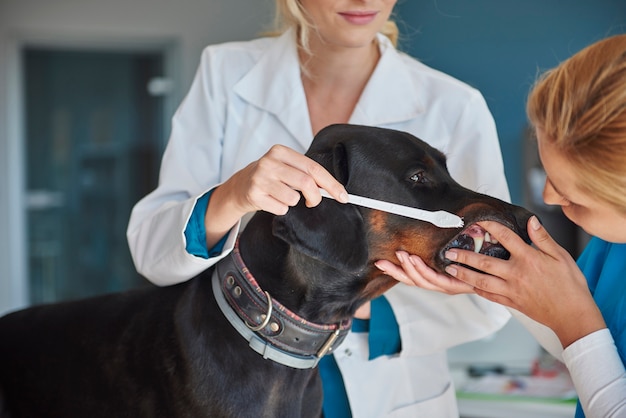
Preventing dental disease doesn’t stop at the veterinary clinic. Your daily and weekly routines make a huge difference in your pet’s oral health. Brushing your dog or cat’s teeth is one of the most effective actions you can take; using a pet-safe toothbrush and toothpaste helps remove plaque before it becomes tartar. For many pets, starting slowly and building positive associations with brushing makes the process easier over time. If brushing isn’t possible for your pet, dental diets, chews, and oral rinses approved by your veterinarian can provide additional support.
Paying attention to your pet’s breath, gum color, and willingness to chew can help you spot problems early. Offering safe chew toys, scheduling regular checkups, and asking your veterinarian about products designed to reduce plaque are all smart strategies. For cats, dental treats and special kibble formulas can help reduce tartar buildup. Remember, not all dental products are created equal, so always ask your veterinary team for recommendations that are right for your pet.
Consistent home care, combined with professional cleanings, offers the best protection against dental disease. If you’re unsure how to start brushing or want to know which products are safest and most effective, our veterinarians are happy to demonstrate techniques and suggest options tailored to your pet’s needs.
When to Schedule a Veterinary Dental Exam
Some dental problems can be managed at home, but professional care is essential if you notice certain warning signs. You should schedule a dental exam at South Park Animal Hospital if your pet has persistent bad breath, visible tartar, red or bleeding gums, loose or broken teeth, or swelling around the mouth. Changes in eating habits, drooling, pawing at the mouth, or behavioral changes also signal that a veterinary assessment is needed.
Even if your pet’s mouth appears healthy, annual dental checkups are recommended, especially for older pets or breeds prone to dental issues. Our veterinarians can identify early signs of disease before they become painful or require extensive treatment. If your pet has had dental surgery or extractions, follow-up visits are important to ensure proper healing and prevent recurrence.
It’s important to remember that dental disease can impact more than just the mouth. Bacteria from infected gums can enter the bloodstream and affect the heart, liver, and kidneys. By addressing dental problems early, you protect your pet’s overall health and quality of life.
If you’re searching for a veterinarian near me or need a trusted team to manage your pet’s dental care, South Park Animal Hospital is here to help with convenient same-day urgent appointments and compassionate, comprehensive service.
Take the Next Step for Your Pet’s Dental Health
Dental health is an essential part of your pet’s wellbeing, and February is the perfect time to take action. Whether you’ve noticed signs of dental disease or want to start a preventive care routine, our veterinary professionals at South Park Animal Hospital are ready to support you every step of the way. Schedule a dental evaluation or cleaning by calling (415) 523-4404, or stop by our San Francisco location at 598 2nd Street to learn more about your options.
If you have questions about professional dental cleanings for pets, whether your pet needs dental radiography, or are concerned about a possible tooth extraction or oral surgery, our experienced veterinarians are here to provide clear answers and compassionate care. Don’t wait for pain or illness to develop; proactive dental care helps your pet stay healthy, happy, and active at every stage of life.
For additional resources on pet dental health, you can visit the American Veterinary Dental College. If you have concerns specific to your pet, always consult your veterinarian for guidance tailored to your animal’s needs.
Let us help you give your pet something to smile about this Pet Dental Health Month and beyond. Schedule an appointment today or reach out to our team for more information on maintaining your pet’s dental health with the support of a trusted vet near me.