Cherry Eye Vet Care: Causes, Treatment, and Recovery

Cherry Eye Vet Care: Causes, Treatment, and Recovery
If you have noticed a red, swollen mass in the corner of your pet’s eye, you might be feeling worried or unsure about what steps to take next. This common condition, known as cherry eye, can be alarming for pet owners, but with prompt and compassionate care, your pet’s comfort and long-term eye health can be protected. At South Park Animal Hospital, conveniently located at 598 2nd Street, San Francisco, CA 94107, our team of veterinarians regularly diagnose and treat cherry eye with a focus on gentle, effective solutions for your pet. This guide will walk you through everything you need to know about cherry eye vet care, from recognizing the signs to understanding treatment options and what to expect during recovery.
We know that any change in your pet’s appearance or comfort can cause concern. If you are searching for a “cherry eye vet” in San Francisco, our experienced veterinary team can provide thorough assessments and same-day urgent care appointments to help your pet feel better fast. Read on to learn how we can help you and your pet, and discover when it’s time to schedule a visit with our trusted local experts.
Recognizing Cherry Eye in Pets: Symptoms and What to Look For
Cherry eye most often affects young dogs, though cats can occasionally develop this condition as well. The most obvious sign is a round, reddish-pink swelling that appears in the inner corner of the eye. This mass is actually the prolapsed gland of the third eyelid, which becomes visible when the tissue that holds it in place weakens or fails.
Key symptoms include the appearance of a red or pink bulge near the inside corner of one or both eyes. In addition to the visible mass, you may notice your pet pawing at the eye, increased tearing or discharge, and signs of irritation such as squinting or blinking more than usual. Some pets may also experience mild discomfort, watery eyes, or a thick mucus discharge. Over time, the exposed gland can become dry, inflamed, or even infected, making early detection and treatment especially important for your pet’s comfort and overall health.
If you see any of these changes in your dog or cat’s eyes, it is important to seek a professional evaluation. Cherry eye can worsen over time and, if left untreated, may lead to chronic irritation or more serious eye problems.
What Causes Cherry Eye? Understanding the Condition
Cherry eye occurs when the small ligament that holds the tear-producing gland in place beneath the third eyelid becomes weak or detaches. This allows the gland to slip out of position and become exposed. The gland of the third eyelid is crucial for maintaining normal tear production and protecting the eye, so its displacement not only affects appearance but also threatens your pet’s ocular health.
Several factors can contribute to the development of cherry eye. Genetics play a significant role; certain breeds like Cocker Spaniels, Bulldogs, Beagles, Lhasa Apsos, and Shih Tzus are more prone to this condition due to anatomical predispositions. Age is another factor, as cherry eye is most often seen in puppies and young adult dogs, though it can occur at any age. Trauma, chronic inflammation, or even vigorous play can sometimes trigger a prolapse in susceptible pets.
While cherry eye is not typically painful in its earliest stages, the exposed gland is vulnerable to dryness, irritation, and infection. Without treatment, pets may develop chronic conjunctivitis or even reduced tear production, which can lead to more severe eye disorders over time. Recognizing the causes behind cherry eye highlights why early intervention by a cherry eye vet is so important for your pet’s lifelong vision and comfort.
Cherry Eye Vet Treatment Options: How Our San Francisco Team Can Help
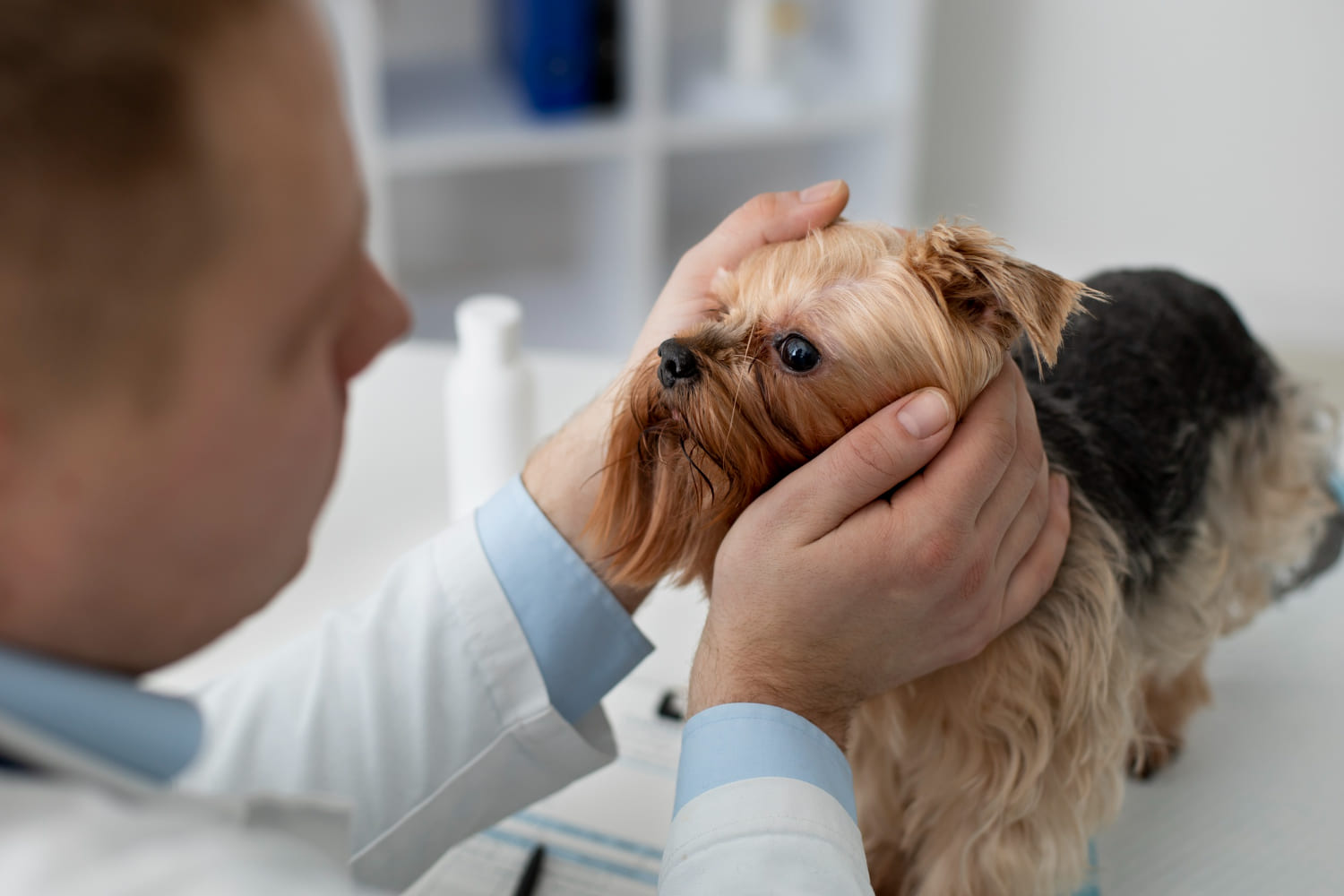
When you bring your pet to South Park Animal Hospital for a cherry eye evaluation, our veterinarians begin with a thorough eye examination. We assess the condition of the affected eye, check for secondary issues like infection or corneal damage, and determine the best course of action based on your pet’s age, breed, and overall health.
Treatment options for cherry eye typically involve surgical intervention, as the underlying problem is anatomical and rarely resolves on its own. The preferred approach is a surgical procedure to reposition and secure the gland, preserving its vital tear-producing function. Our veterinary team performs this procedure with advanced techniques designed to minimize discomfort and promote a smooth recovery. In rare cases where the gland is severely damaged or chronically inflamed, removal may be considered, but this is avoided whenever possible to reduce the risk of long-term dry eye.
Post-surgical care involves medications to control inflammation and prevent infection, along with follow-up visits to monitor healing. Most pets recover quickly and experience a dramatic improvement in comfort and appearance. If you are interested in learning more about surgical care for cherry eye, our cherry eye surgery page provides detailed information about the procedure and recovery process at our hospital.
In some cases, particularly when pets present with complications or advanced infections, additional procedures such as enucleation (removal of the eye) may be discussed, though this is very rare and typically only pursued when vision cannot be saved. Our priority is always to preserve your pet’s natural eye health whenever possible and to use the least invasive methods appropriate for their condition.
Prevention and Home Care: Supporting Your Pet’s Eye Health
While you cannot always prevent cherry eye, especially in genetically predisposed breeds, there are steps you can take to support your pet’s overall eye health. Regularly checking your pet’s eyes for redness, swelling, or discharge can help you catch issues early. Gentle cleaning with a soft, damp cloth can remove irritants and reduce the risk of secondary infections, but you should avoid touching or manipulating any visible mass in the eye.
Maintaining routine veterinary care is essential, as wellness examinations allow our veterinarians to monitor your pet’s eyes and address subtle changes before they become serious problems. For pets with a history of cherry eye, your veterinary team may recommend periodic checks to ensure the gland remains secure after surgery and to watch for recurrence.
A balanced diet, appropriate exercise, and avoiding rough play that could lead to facial trauma can also help reduce the risk of injury-related eye problems. If your pet belongs to a breed prone to cherry eye, discussing preventive strategies during their next wellness examination can be especially valuable.
When to Contact a Cherry Eye Vet: Timing Matters for Your Pet’s Recovery
Prompt attention is key when it comes to cherry eye. If you notice any new swelling, redness, or discharge in your pet’s eye, schedule a veterinary evaluation right away. Early intervention not only relieves discomfort but also reduces the likelihood of complications such as chronic dry eye, infection, or permanent gland damage.
You should seek immediate veterinary care if your pet is showing signs of significant pain, such as persistent squinting, pawing at the eye, vision changes, or if the mass appears suddenly larger or more irritated. Delaying treatment can make surgical correction more challenging and increase your pet’s risk of long-term eye problems.
At South Park Animal Hospital, we offer same-day urgent care appointments to address eye concerns quickly and compassionately. Our team is always available to answer your questions and provide expert guidance tailored to your pet’s unique needs. If you are searching for a cherry eye vet in San Francisco or the surrounding communities, our veterinarians are here to help you every step of the way. For more information about urgent assessments, visit our urgent care services page.
Cherry Eye Vet Support in San Francisco: Compassionate Care for Your Pet
Cherry eye may seem daunting, but with the right veterinary care, most pets make a full recovery and enjoy lasting eye health. At South Park Animal Hospital, our dedicated veterinary professionals are committed to providing the highest standard of cherry eye vet care in San Francisco. We understand how important your pet’s comfort and vision are to your family, and we work closely with you through every stage of diagnosis, treatment, and recovery.
If you have noticed changes in your pet’s eyes or are concerned about cherry eye, don’t wait to seek help. Early intervention can make a significant difference in your pet’s outcome. Schedule an appointment with our experienced veterinarians by calling (415) 523-4404 or visiting our San Francisco location. Our team is proud to serve San Francisco and surrounding communities, providing compassionate care for every stage of your pet’s life.
When searching for a vet near me with advanced experience in cherry eye, look no further than the trusted veterinary team at South Park Animal Hospital. Explore our cherry eye surgery, urgent care, or wellness examination pages for additional resources, and let us partner with you in keeping your pet’s eyes healthy and bright.
This blog is for informational purposes only and should not be used as a substitute for professional veterinary advice. Always consult your veterinarian for specific concerns or before starting any new treatment for your pet.