Spring Pet Allergy Relief Tips for San Francisco Owners


Spring Pet Allergy Relief Tips for San Francisco Owners
As the days grow warmer and flowers begin to bloom across San Francisco, many pet owners notice their furry companions start to scratch, sneeze, or seem uncharacteristically uncomfortable. Spring brings beauty and vibrancy to San Francisco and surrounding communities, but it also ushers in a surge of pollen and environmental allergens that can trigger allergic reactions in both dogs and cats. If your pet is constantly itching, licking their paws, or sneezing more than usual, you are not alone. Seasonal pet allergies are a common concern for local pet families, and prompt support can make a world of difference in your companion's comfort.
At South Park Animal Hospital, our veterinary team understands how distressing it can be to see your pet suffering from spring allergies. In this blog, we will explore the signs of seasonal allergies in pets, discuss why these reactions occur, and guide you through actionable relief strategies. We will also clarify when it is time to reach out for professional veterinary help and how our comprehensive dermatology services and allergy testing can support your pet’s health. By the end, you will have the tools and knowledge you need to keep your pet comfortable and thriving all spring long.
How to Recognize Spring Allergies in Your Pet
Springtime allergies in pets often present differently than in people. While humans tend to suffer from nasal congestion, runny noses, and watery eyes, pets are more likely to show discomfort through their skin and behavior. Key symptoms of spring allergies in dogs and cats include frequent scratching, chewing or licking at paws, red or inflamed skin, and recurrent ear infections. Additionally, you might notice sneezing, watery eyes, or even hair loss in affected pets. Some pets develop hot spots, which are painful, moist areas of skin that arise from constant licking or chewing.
It is common for pets in San Francisco, particularly those who enjoy spending time outdoors in the lush parks and gardens of the city, to come into contact with pollen, grass, and mold spores that can aggravate allergies. If your pet starts to seem restless at night, shakes their head repeatedly, or develops an unusual odor, these may be signs that allergies are at play. Owners should also watch for less obvious changes, such as increased grooming in cats or a sudden reluctance to go outside.
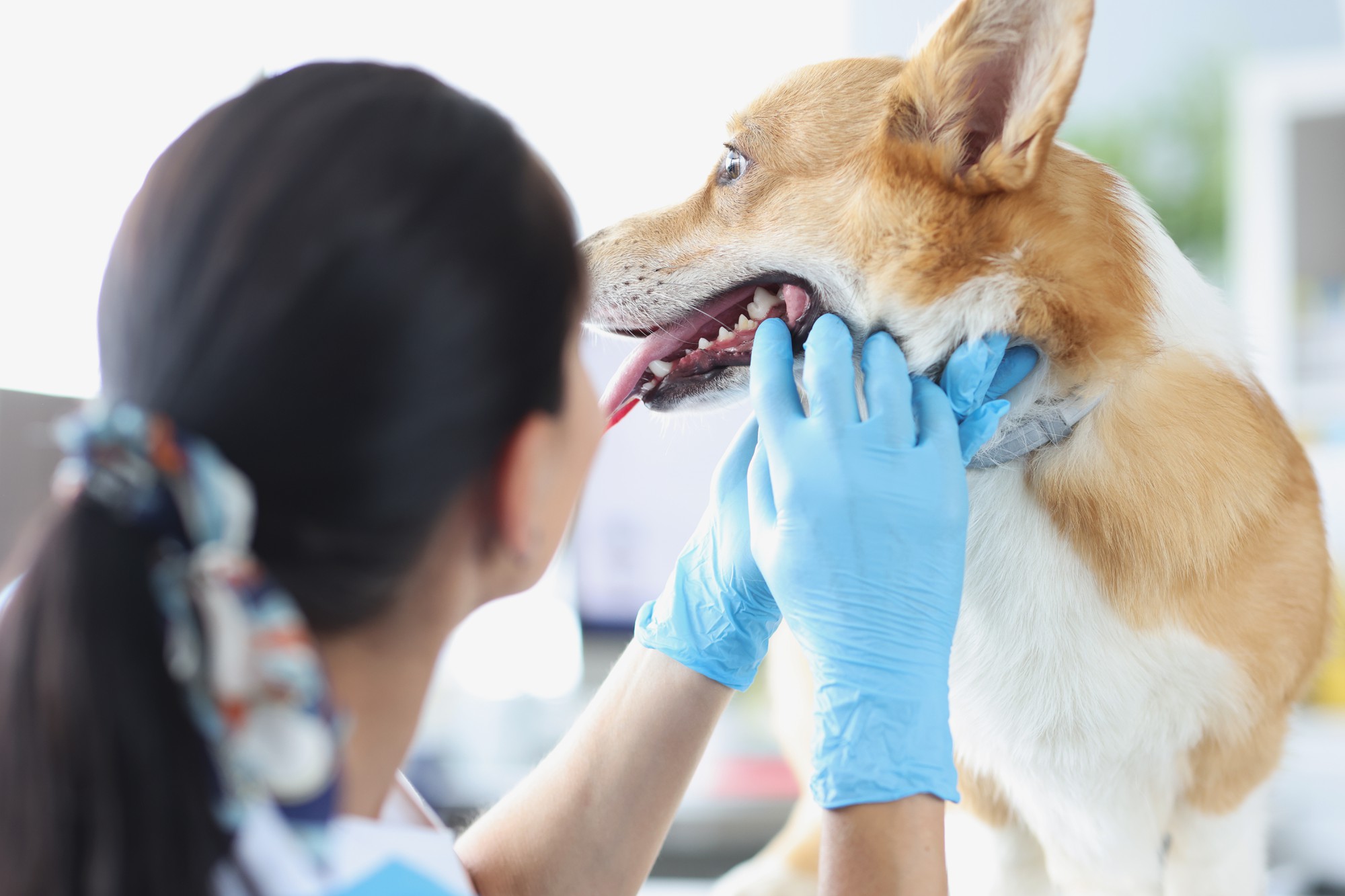
If you are unsure whether your pet’s symptoms stem from allergies or another health concern, a wellness examination with our veterinarians can help pinpoint the cause and guide the best course of action. Remember that prompt attention to symptoms often leads to faster relief for your pet.
Understanding the Causes of Springtime Pet Allergies
Spring allergies in pets are primarily caused by environmental allergens that become more prevalent during the warmer months. Common triggers include pollen from trees, grasses, and flowers, as well as mold spores and dust mites that thrive in the seasonal humidity. When pets inhale or come into contact with these allergens, their immune systems may overreact, leading to the uncomfortable symptoms described above.
Certain breeds and individual pets are more susceptible to allergies due to genetic factors or pre-existing sensitivities. For example, breeds such as French Bulldogs, Golden Retrievers, and Siamese cats are known to have a higher tendency toward skin issues and allergies. Additionally, pets that spend significant time outdoors—whether accompanying their owners for walks along the Embarcadero or playing in neighborhood parks—are at increased risk of exposure to these triggers.
Another important aspect to consider is that allergies can develop at any stage in a pet’s life. Some pets may show their first symptoms as puppies or kittens, while others develop sensitivities later on. The local San Francisco climate, with its fluctuating weather and high pollen counts in spring, can exacerbate these issues and make symptoms more pronounced during this season.
Veterinary Treatment and Management of Pet Allergies
When spring allergies are suspected, our veterinary team at South Park Animal Hospital offers a range of diagnostic and treatment options tailored to your pet’s specific needs. The process usually begins with a thorough physical examination and a detailed history of your pet’s symptoms, environment, and lifestyle. Depending on the case, we may recommend allergy testing services to identify the specific allergens responsible for your pet’s discomfort.
Treatment approaches for spring allergies often involve a combination of environmental management, medical therapies, and ongoing monitoring. Antihistamines or prescription medications may be prescribed to control itching and inflammation. In more severe cases, our veterinarians may suggest topical therapies, medicated shampoos, or even immunotherapy—an approach that helps your pet build tolerance to specific allergens over time.
Pets experiencing secondary infections, such as those stemming from constant scratching or biting, may require antibiotics or antifungal medications to resolve skin lesions. Our dermatology services can also address chronic skin conditions, ensuring your pet receives holistic care that tackles both the symptoms and the underlying causes of discomfort.
Throughout the treatment process, our goal is to provide compassionate, comprehensive care that helps your pet return to their happy, playful self as quickly as possible. Open communication between pet owners and our veterinary professionals is key to successful allergy management.
Home Care Strategies and Prevention for Spring Allergies
While professional veterinary care is crucial for moderate to severe allergies, there are several steps you can take at home to help manage your pet’s symptoms and minimize flare-ups. Regularly wiping your pet’s paws and coat after outdoor adventures can reduce the amount of pollen and allergens they bring inside. Bathing your pet with a gentle, veterinarian-recommended shampoo can soothe irritated skin and wash away allergens that accumulate during walks or playtime.
Keeping your home environment clean is equally important. Frequently washing your pet’s bedding, vacuuming carpets and upholstery, and using air purifiers can help lower the presence of airborne allergens. For cats, maintaining clean litter boxes and reducing exposure to scented cleaning products may also lessen allergy triggers.
Diet and overall wellness play a supporting role in allergy management. Feeding your pet a balanced, high-quality diet and ensuring they are up to date on routine parasite prevention can strengthen their immune system and decrease the risk of skin infections related to allergies.
Limiting outdoor time on days with high pollen counts, particularly in the early morning or late afternoon, can further reduce exposure. Check local pollen forecasts or consult with our veterinarians about the best times and strategies for outdoor activities during peak allergy season.
When to Seek Veterinary Care for Spring Allergies
While mild allergies may be managed at home with environmental controls and over-the-counter remedies, certain situations require prompt veterinary attention. If your pet’s itching becomes relentless, if you notice open wounds, persistent redness, or signs of infection such as swelling or discharge, it is crucial to seek professional care. Other warning signs include sudden hair loss, lethargy, loss of appetite, repeated head shaking, or any behavior that seems out of the ordinary.
Spring allergies can sometimes mimic or trigger other underlying health problems, so a veterinary assessment ensures your pet receives the correct diagnosis and most effective treatment. Our veterinary team at South Park Animal Hospital is equipped to handle a range of allergy-related concerns, and we encourage you to schedule an appointment as soon as you observe concerning symptoms. Early intervention can prevent complications and provide your pet with rapid relief.
If you are ever unsure about the severity of your pet’s symptoms, reaching out to a veterinarian near me for guidance is always the safest approach. Our team is here to provide answers and support every step of the way.
Spring Relief for Your Pet Starts With Compassionate Care
Every pet deserves to enjoy the vibrant days of spring without the burden of constant itching or discomfort. By staying alert to the signs of seasonal allergies and taking proactive steps at home, you can help your companion thrive during this beautiful time of year. However, when symptoms persist or worsen, professional help is the key to lasting relief.
At South Park Animal Hospital, we are dedicated to supporting San Francisco pets and their families with comprehensive allergy care, from wellness examinations to advanced dermatology services. If you are searching for a vet near me who truly understands your pet’s needs this spring, our knowledgeable veterinary professionals are ready to help.
To schedule an appointment or discuss your pet’s symptoms, give us a call at (415) 523-4404 or visit our welcoming clinic at 598 2nd Street, San Francisco, CA 94107. Together, we can keep your pet comfortable, healthy, and ready to enjoy every moment of spring in San Francisco.
This article is for informational purposes only and is not a substitute for professional veterinary advice. If you are concerned about your pet’s health, please contact your veterinarian for personalized care and recommendations.
References