Recognizing Allergy Symptoms in San Francisco Pets

Recognizing Allergy Symptoms in San Francisco Pets
If your dog or cat has started scratching more than usual, sneezing at odd times, or licking their paws constantly, you may be wondering if allergies are to blame. In a city like San Francisco, where our unique climate brings mild temperatures but high pollen counts and city dust, allergies are a common issue among pets. At South Park Animal Hospital, located in the heart of South Park, San Francisco, CA, our team of veterinarians understands how environmental factors, seasonal changes, and even indoor allergens can affect your pet’s comfort and health. In this guide, we’ll help you recognize the most common allergy symptoms in local pets, explore why allergies occur, discuss how they are treated, and share tips for prevention and home care. You’ll also learn when it’s time to schedule an appointment with our veterinary team so your pet can get the relief they deserve.
Spotting Allergy Symptoms in Dogs and Cats
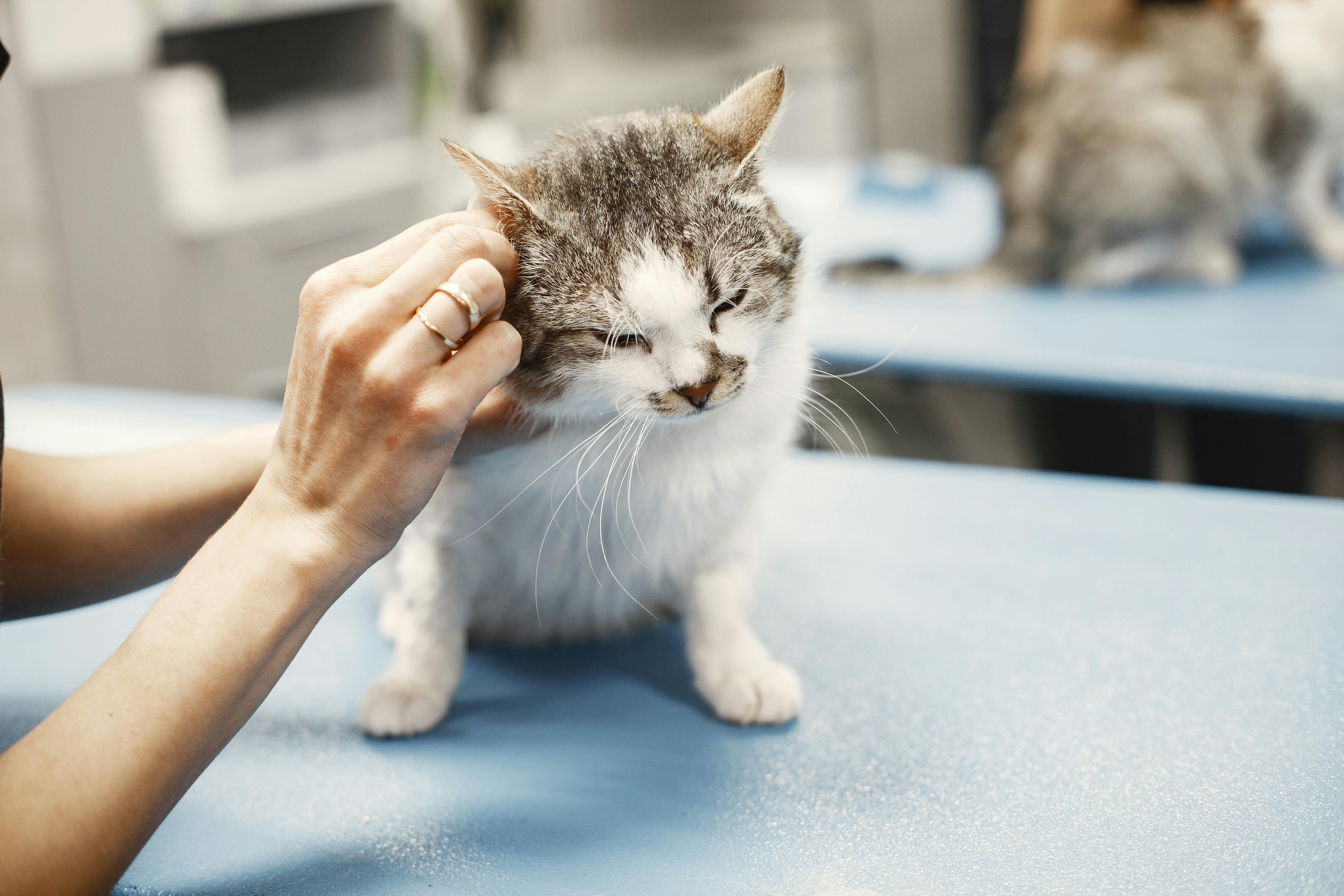
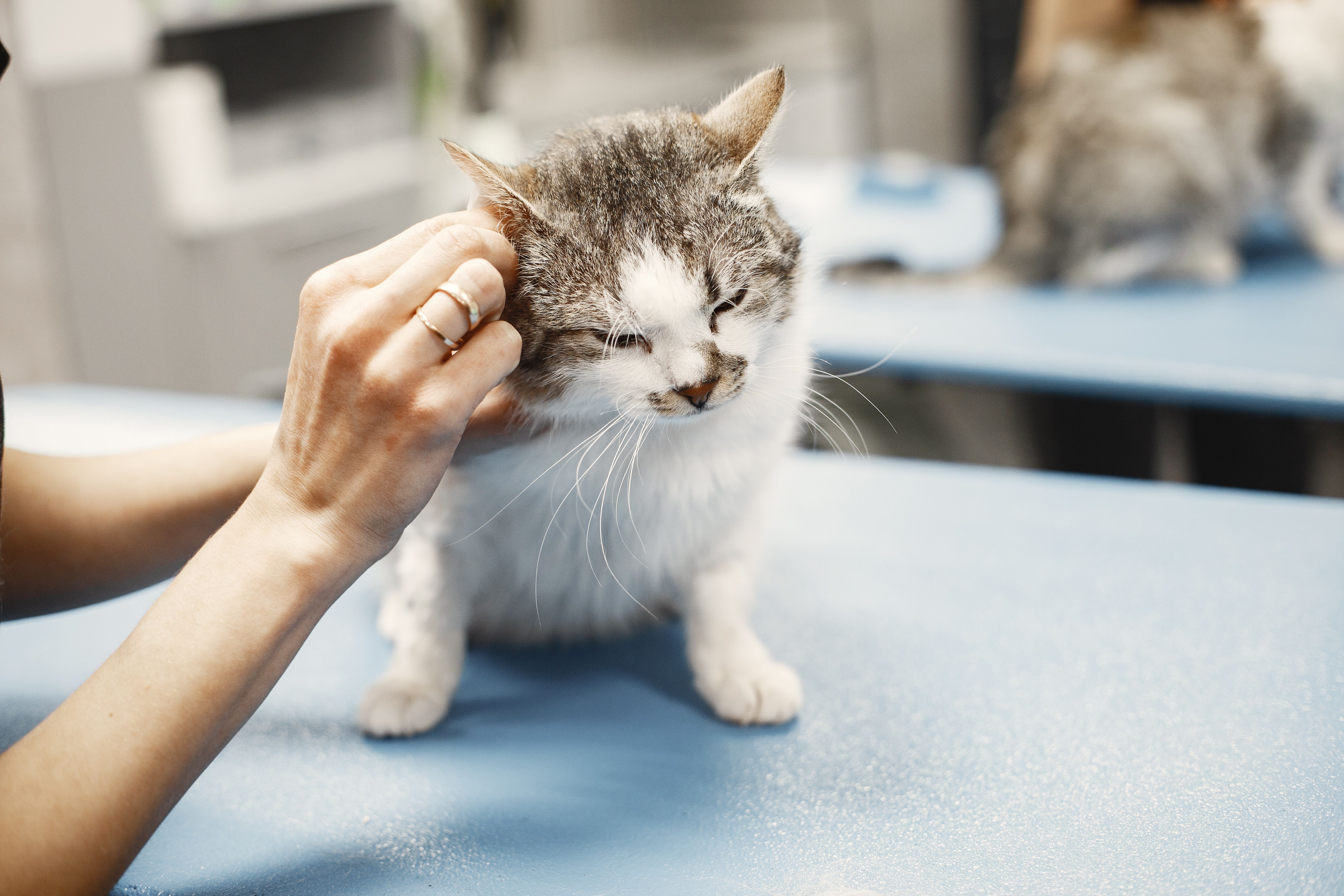
Many pet owners are surprised to learn that allergies in dogs and cats don’t always look the same as they do in people. While sneezing and watery eyes may occur, most pets show their discomfort through skin issues or changes in behavior. Key symptoms include frequent scratching or biting at the skin, especially around the face, paws, ears, or belly. You may notice red, inflamed skin, hair loss in certain areas, or the appearance of small bumps. For some pets, persistent licking—particularly of the paws or legs—can signal ongoing itchiness. Other signs to watch for are frequent ear infections, head shaking, or an unpleasant odor from the skin or ears.
Respiratory symptoms, such as sneezing, coughing, or nasal discharge, can also be linked to allergies, although these are typically less pronounced than skin-related problems. In rare cases, gastrointestinal symptoms like vomiting or diarrhea may develop if your pet has a food allergy. Observing these changes can help you catch allergies early, allowing for quicker relief and a better quality of life for your companion.
What Causes Allergies in San Francisco Pets?
Allergies in pets arise when their immune systems react to harmless substances, treating them as threats. In San Francisco, environmental allergens are particularly common. Examples include pollen from urban landscaping, mold spores thriving in coastal fog, and dust mites living in older buildings or apartments. Outdoor allergens are often at their peak during the spring and fall, but San Francisco’s mild climate means that pollen and mold can be present year-round.
Fleas are another frequent contributor to allergy symptoms, as even a single flea bite can cause an allergic reaction in sensitive pets. Food allergies may also develop after prolonged exposure to certain proteins or ingredients in commercial diets. Additionally, household products such as cleaning sprays, scented candles, or laundry detergents can sometimes trigger contact allergies. Every pet is unique, and the specific triggers can vary widely, which is why a thorough assessment by a veterinary professional is so important.
The Role of San Francisco’s Climate
San Francisco’s cool, foggy mornings and fluctuating humidity levels create an environment where certain allergens thrive. The city’s proximity to the bay means that molds and pollens circulate in the air almost year-round. Pet owners who live near parks, gardens, or in older buildings may find their pets are particularly sensitive during the change of seasons, as new plants bloom and dust accumulates. While San Francisco avoids the extreme heat of inland California, its microclimates can still contribute to year-round allergy challenges for local pets.
How Veterinarians Diagnose and Treat Pet Allergies
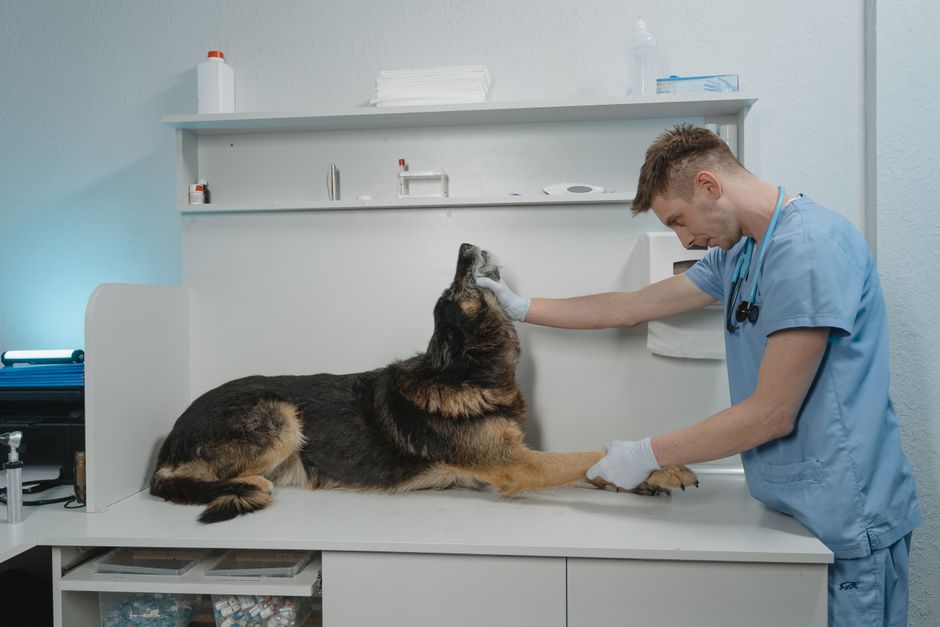
When you bring your pet to South Park Animal Hospital for suspected allergies, the diagnostic process usually begins with a detailed health history and a complete physical examination. Our veterinarians will ask about your pet’s symptoms, their environment, diet, and any recent changes in your home. Skin and ear examinations are often performed to check for redness, lesions, or infection. In some cases, additional tests such as skin scrapings, cytology, or blood work may be recommended to rule out other conditions or identify secondary infections.
Treatment for allergies is tailored to the individual pet and the type of allergy identified. For environmental allergies, management may involve antihistamines or prescription medications to reduce itching and inflammation. Medicated shampoos, topical sprays, or ear cleaners may be prescribed to soothe the skin and treat infections. In some cases, our veterinarians may suggest allergy testing and immunotherapy, a process that gradually desensitizes your pet to specific allergens over time.
For pets with food allergies, a dietary elimination trial is often the first step. This involves feeding your pet a specially formulated diet for several weeks and monitoring for symptom improvement. If flea allergies are suspected, aggressive flea prevention is essential, using veterinarian-recommended products consistently.
Throughout the treatment process, our team will work closely with you to find the most effective and comfortable solution for your pet, always prioritizing their well-being and your peace of mind.
Home Care and Prevention for Allergic Pets
Supporting your pet at home can make a significant difference in managing allergy symptoms. Steps you can take include bathing your pet regularly with a hypoallergenic or medicated shampoo recommended by our veterinary team. This helps wash away allergens and reduces skin irritation. Wiping your pet’s paws and coat after outdoor walks can minimize the amount of pollen and dust brought inside.
Maintaining a clean living environment is crucial. Frequent vacuuming, washing pet bedding in hot water, and using air purifiers can all help control indoor allergens. For pets with food sensitivities, carefully follow any elimination diet instructions and avoid giving treats or table scraps that could contain triggering ingredients.
Flea prevention should not be overlooked in San Francisco’s climate, as fleas can thrive year-round. Use only products recommended by your veterinarian, as some over-the-counter options may not be safe or effective. Monitoring your pet for early signs of itching or discomfort will allow you to intervene quickly when flare-ups occur.
When to Seek Veterinary Care for Allergies
While mild itching or sneezing may seem manageable at home, it’s important to know when your pet’s symptoms require professional attention. You should schedule an appointment with our veterinary team if your dog or cat’s scratching leads to red, broken, or bleeding skin; if you notice frequent ear infections, head shaking, or a foul odor; or if your pet becomes lethargic, loses their appetite, or develops vomiting or diarrhea. Persistent licking, chewing, or hair loss also warrant a veterinary evaluation, as untreated allergies can lead to chronic infections and discomfort.
San Francisco’s ever-changing environment means that allergies can worsen suddenly, especially during seasonal transitions. If your pet’s condition does not improve with basic home care, or if they seem to be in pain, seeking timely veterinary care is crucial. Our compassionate veterinarians at South Park Animal Hospital are here to help you and your pet every step of the way, ensuring a thorough diagnosis and a personalized treatment plan.
Why Choose South Park Animal Hospital for Allergy Care?
Caring for a pet with allergies can feel overwhelming, but you don’t have to manage it alone. At South Park Animal Hospital, our experienced veterinary professionals are dedicated to providing comprehensive, compassionate care for dogs and cats throughout San Francisco and surrounding communities. We offer same-day urgent care appointments for when your pet’s symptoms become severe, and we take the time to work with you on prevention and long-term management strategies.
If you’re searching for a vet near me who truly understands the unique allergy challenges faced by San Francisco pets, our team is ready to help. From cutting-edge diagnostics to gentle, effective treatments, we are committed to keeping your pets comfortable and healthy year-round.
If you have questions about allergy symptoms in your pet or want to schedule a visit, please call our team at (415) 523-4404 or stop by our conveniently located hospital in South Park, San Francisco, CA. Our veterinary team looks forward to partnering with you to give your pets the relief they deserve. For more information about pet allergies, you can also visit trusted resources such as the American College of Veterinary Dermatology and the Cornell University College of Veterinary Medicine.
If your pet’s symptoms are sudden or severe, or if you are ever concerned about their well-being, please contact our veterinary team right away. This blog is intended for informational purposes only and is not a substitute for an in-person veterinary examination.